

Depression Isn’t Just Sadness: Signs, Symptoms, and Treatment Options
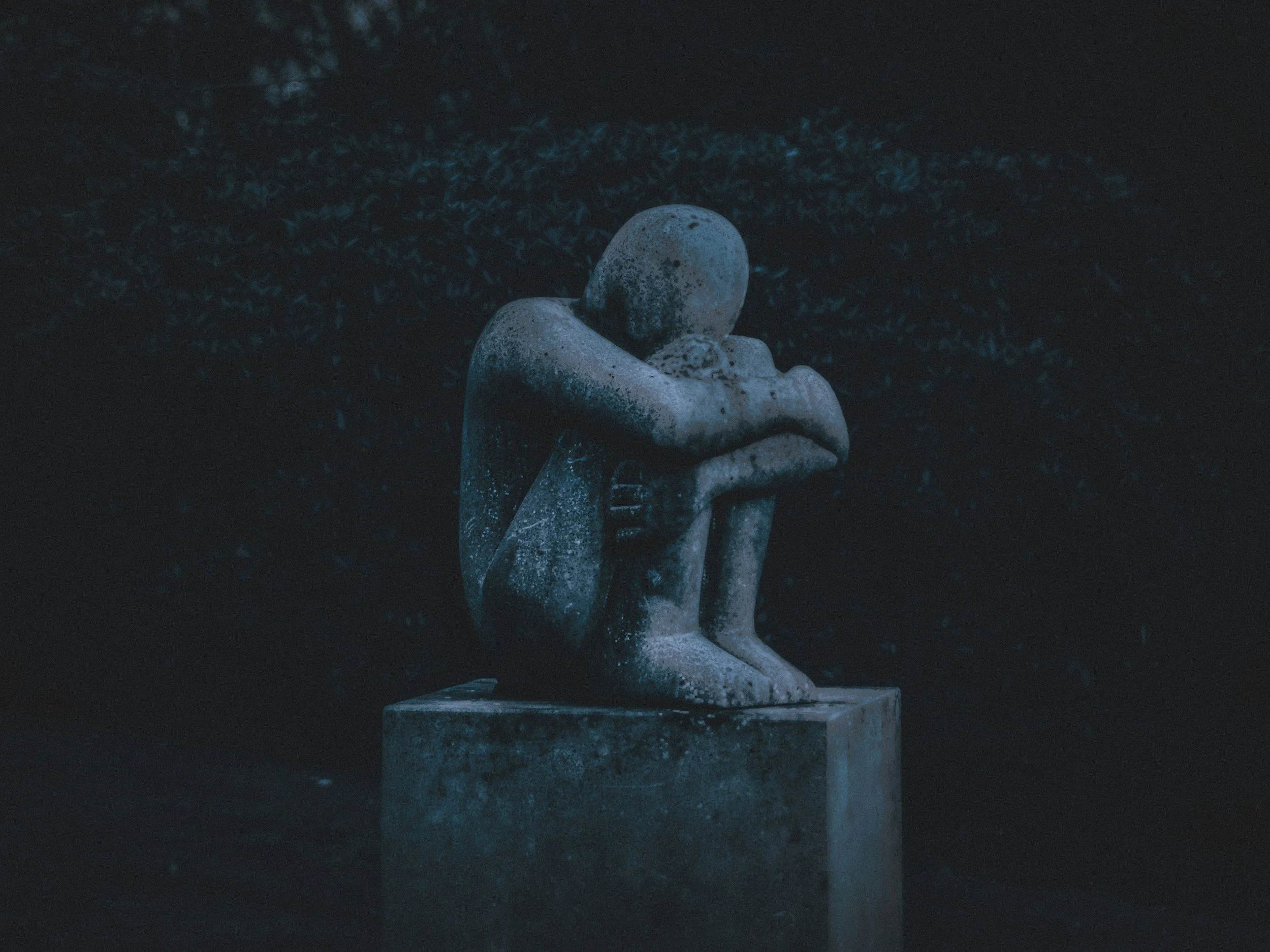
Depression is more than feeling sad or having a difficult day. It is a common mental health condition that affects mood, energy, motivation, and daily functioning. Many people with depression experience ongoing fatigue, low motivation, difficulty concentrating, changes in sleep or appetite, and a sense of emotional numbness or disconnection.
Because depression doesn’t always look like sadness, it is often misunderstood or overlooked. Many individuals continue working, caring for family, and meeting responsibilities while struggling internally. This can make it harder to recognize when professional support is needed.
Depression is not a personal failure or a lack of willpower. It is a medical condition involving changes in brain chemistry, stress regulation, and emotional processing. Left untreated, symptoms can worsen over time—but with appropriate care, improvement is possible.
Treatment for Depression
Depression is treatable, and treatment is personalized. Options may include therapy, psychiatric medication management, lifestyle changes, or a combination of approaches. The goal of treatment is not to change who you are, but to help restore balance, energy, and emotional stability.
If you’ve been feeling persistently low, overwhelmed, or unlike yourself for several weeks or longer, reaching out for professional support can be an important first step.
You don’t have to manage depression alone. Help is available—and recovery is possible.
